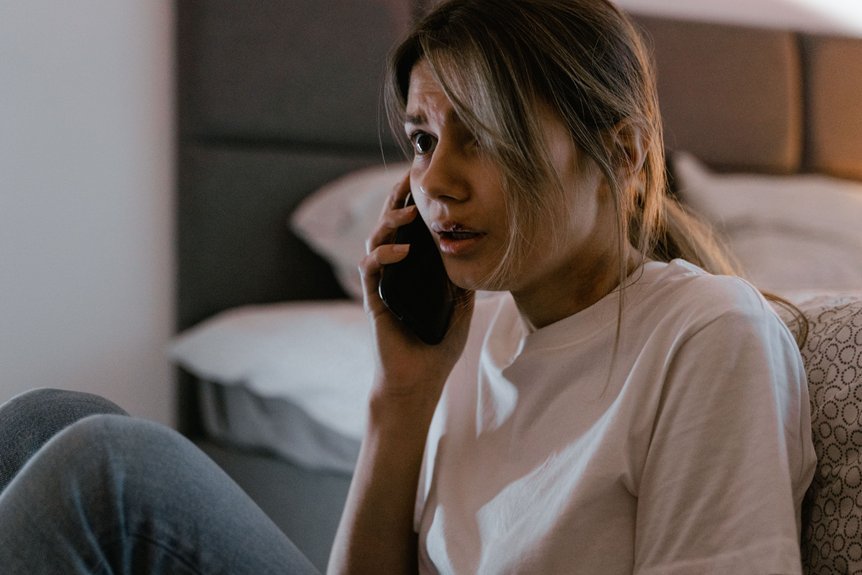

The caller ID 6463927233 can indicate routine contact, misdials, or legitimate outreach, though it may also be spoofed by scammers. Spoofing exploits interface limitations and automated systems to appear trustworthy. Protective actions include normalizing blocking unfamiliar numbers and reporting suspicious activity. Over time, patterns such as frequency, duration, and escalation warrant careful documentation. The investigation hinges on cautious verification through known channels, yet each new call introduces unresolved questions that compel further scrutiny.
What 6463927233 Might Signal About Calls
The appearance of the number 6463927233 on a caller ID or call log can indicate several practical possibilities worth evaluating. What 6463927233 may signal relates to caller signaling patterns, network routing, or legitimate outreach. Observation supports cautious interpretation: the number could reflect a misdial, a business line, or an automated alert system, each requiring verification before response.
How Scammers Spoof Numbers and Why This Number Pops Up
How do scammers spoof numbers and why does 6463927233 commonly appear? In empirical terms, spoofing techniques manipulate caller ID signals, enabling who calls to appear as legitimate. The practice relies on illegal spoofing and automated systems, producing variable call volume patterns. Callers may exhibit scam indicators, while perpetrators exploit technical gaps to disguise origins, making 6463927233 a recurring, notable signal.
Practical Steps to Protect Yourself, Block, and Report
Practical steps to protect oneself, block, and report begin with a structured approach to risk reduction and incident response.
The analysis favors empirical, clinical phrasing: protective measures focus on minimizing exposure, scam awareness strengthens recognition, and assistive resources support safe decision making.
Reporting procedures standardize documentation, while timely block actions disrupt aggressors and preserve personal autonomy and freedom.
What to Monitor Over Time to Stay Safer Next Calls
What to monitor over time to stay safer during next calls involves a systematic tracking of patterns and indicators that may signal ongoing risk. The approach is empirical and clinical, emphasizing vigilance without sensationalism. It focuses on uncovering patterns and monitoring indicators, documenting anomalies, and assessing frequency, duration, and escalation. This disciplined method supports informed,自由-spirited decision making while enhancing ongoing safety.
Frequently Asked Questions
Can Legitimate Organizations Use This Number for Calls?
Legitimate organizations can use this number for calls, provided compliance with verification practices is maintained. Call verification procedures and regulatory guidelines should be observed to ensure legitimacy, transparency, and protection against misuse while preserving user freedom.
How Can I Verify a Caller’s Identity Quickly?
Break the ice quickly: verify caller identity through layered checks. The process supports quick authentication using caller ID analysis, authentication questions, and cross-referenced records; empirical methods reduce risk while preserving user autonomy and freedom to choose.
Do These Calls Target Specific Times or Regions?
The calls do not appear limited to fixed times or regions; two word discussion idea A suggests variability, while two word discussion idea B indicates broader patterns. Empirically, regional and temporal targeting remains inconclusive, requiring systematic monitoring and transparency for autonomy.
Are There Privacy Concerns With Call-Blocking Apps?
Privacy concerns exist with call-blocking apps, centering on data collection, sharing, and potential misuse; call blocking ethics emphasize transparency and user autonomy. Clinically, empirical evaluation shows privacy implications affect freedom, trust, and perceived control.
What Legal Actions Can I Take After Harassment?
The question concerns legal actions after harassment, evaluating harassment remedies and privacy concerns; authorities may pursue criminal or civil avenues. Call blocking apps aid enforcement, but privacy concerns persist, and informed autonomy remains essential for those seeking freedom.
Conclusion
In conclusion, cautious clinicians catalog calls, corroborate cues, and concede no compliance without careful checking. Case-by-case clarity compounds confidence: consistent correlation between caller behavior, abnormal frequency, and suspicious content signals signaling danger. Vigilant validation vanquishes vulnerability, while vigilant blocking, reporting, and verification reduce risk. Recurrent reviews reveal ripples of risk, reinforcing robust routines. Systematic scrutiny, slow-spoken scrutiny, and structured skimming strengthen safety, safeguarding spheres from spoofed spiels and scam signals.

 By
By