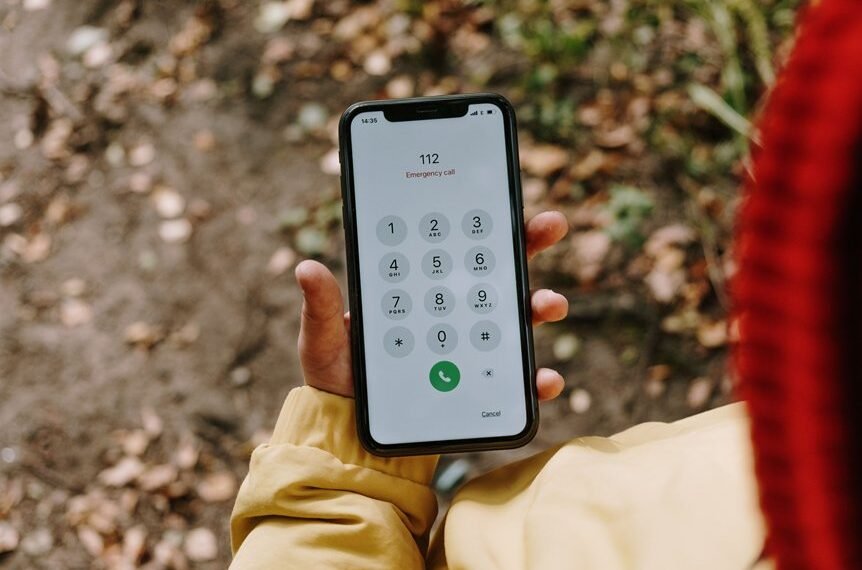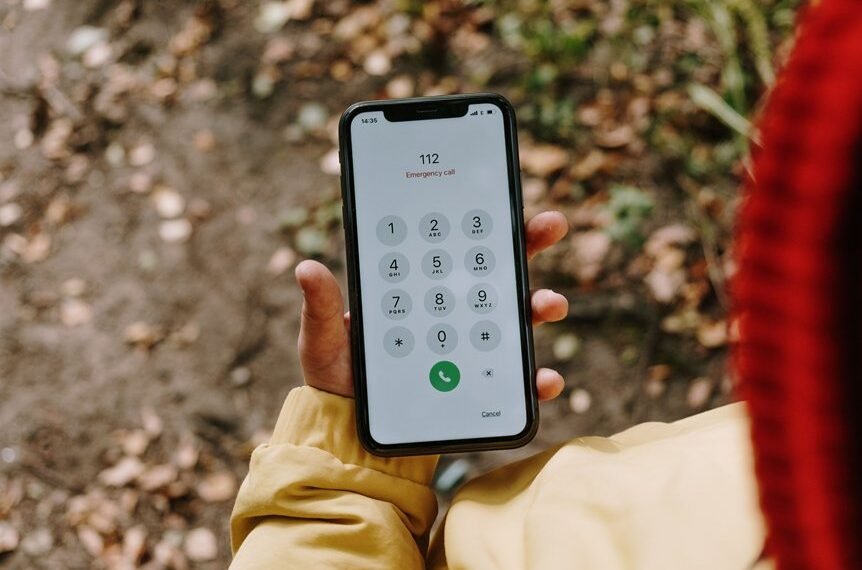

When a call or message from 610-839-0119 raises concern, a methodical approach is essential. The process begins with independent verification of the caller’s identity through official sources and trusted directories, then cross-checks any metadata—time, context, and prior contacts. Attention is given to links, urgent requests, and inconsistencies. If red flags persist, disclosure of sensitive data is paused, notes are documented, and escalation to security or authorities is considered, maintaining caution while gaps remain to be clarified.
How to Verify Who’s Calling or Texting You
To verify who is calling or texting, the process begins with identifying the available metadata and then confirming the contact’s legitimacy through cross-checks.
Thorough verification challenges emerge as numbers or profiles deviate from known patterns.
Caller authentication relies on corroborating sources, while attention to red flags and phishing attempts prevents deception; structured verification reduces risk and preserves user freedom to communicate securely.
Spotting Red Flags in Numbers, Messages, and Links
Spotting red flags in numbers, messages, and links requires a systematic, evidence-based approach that separates legitimate communication from potential threats. Analysts note patterns: unverified caller indicators, inconsistent context, and sudden urgency. Scrutinize sender credibility, verify numbers through official channels, and hover over links to reveal destinations. A suspicious link often reveals mismatched domains, while immediate requests bypass safeguards and merit caution.
Quick Verification Steps to Protect Your Data Today
In the wake of recognizing red flags in numbers, messages, and links, a practical set of quick verification steps enables immediate protection of data. The process emphasizes verification steps, data protection, and prudent phone verification. It identifies scam indicators, validates sender identity, and pauses unfamiliar requests. Systematic checks reduce risk, guiding users toward secure actions without exposing sensitive information.
What to Do Next If Something Still Feels Off
When something still feels off after initial verification, a structured, step-by-step response is essential to minimize risk and uncover underlying issues. The process emphasizes concern verification, documenting anomalies, and preserving evidence.
Next, verify caller authentication with independent channels, assess consent and impersonation risks, and isolate communication routes.
Finally, escalate to appropriate authorities or security teams if anomalies persist or fraud is suspected.
Frequently Asked Questions
How Can I Block This Number on All Devices?
To block this number on all devices, blockCaller by adding the contact to blocked lists, enable Do Not Disturb exceptions carefully, and verifyUnknown across platforms; then synchronize settings. This method ensures comprehensive blocking and freedom from unwanted calls.
Is There a Trusted Service to Verify Unknown Callers?
“Once, a clock tower rang at dawn.” The answer discusses verify caller legitimacy via trusted services; smartphone defenses include caller ID checks, reputable verification apps, carrier features. It summarizes methodical steps to verify caller legitimacy and empower smartphone defenses.
Can I Report Suspicious Texts Anonymously?
Anonymous reporting is possible through certain platforms that protect user identity; this supports fraud prevention while maintaining privacy. The method is thorough, methodical, and detail-oriented, empowering individuals seeking freedom to report suspicious texts without disclosure.
Do Spam Risk Scores Apply to This Number?
Spam risk scores may apply to the number, but results vary by provider; a cautious approach examines call patterns, blocked calls, and reported behavior, establishing scam awareness while verifying legitimacy before action.
What Insurance Covers Phone-Based Fraud Losses?
Insurance coverage for phone-based fraud losses varies by policy, but generally includes fraud protection and limits on unauthorized use; verify terms, exclusions, and deductibles. Insurance coverage often requires phone verification and documented steps to mitigate risk.
Conclusion
Conclusion:
Careful, cautious communication fosters secure cyberspace. Verifying venerated contacts, vigilant vigilance, and vigilant verification vanquish vexing vulnerabilities. Thorough, thoughtful testing treats timestamps, caller IDs, and context as transactional trivia, tailoring transparent trails. Meticulous measures make micro-moments mundane, mitigating misrepresentation. Pausing, probing, and documenting discrepancies delivers decisive direction. Escalation ensures evidence-based excellence. Persistent, prudent persistence prompts proper protection, presenting people, procedures, and probes in predictable, prepared, principled patterns. Alluring accuracy, approximately assessing anomalies, always avoids alarming assumptions.


 By
By