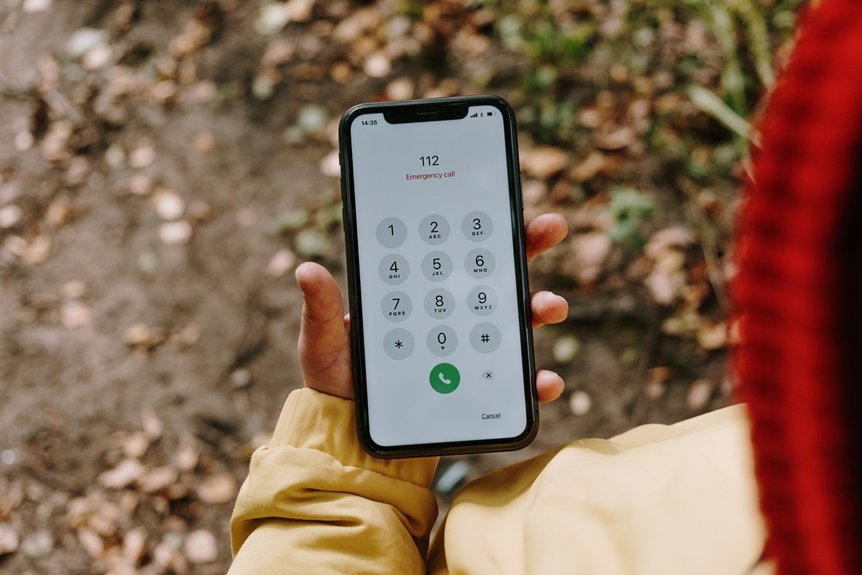

Understanding difficulties around 667-401-6177 involves cautious verification and careful privacy practices. The piece explains how to assess legitimacy, spot common red flags, and confirm who is calling through official channels, while documenting responses for evidence. It emphasizes calm, data minimization, and secure communication choices. Readers are guided to step-by-step checks, yet remain mindful of lingering uncertainties that warrant further action and continued vigilance.
What 667-401-6177 Looks Like: Verify Legitimacy Fast
To determine legitimacy at a glance, one should note that 667-401-6177 appears with a standard North American number format, including the area code 667 and a seven-digit local prefix.
The appearance alone is insufficient; observers should consider context. Unverified caller and spoofed numbers may mimic legitimacy, so verification steps and calm assessment support freedom from manipulation and unnecessary risk.
Common Red Flags and Why They Matter
Common red flags are the practical indicators that something may be unsafe or untrustworthy when dealing with calls from numbers like 667-401-6177. Red flags signal potential manipulation, urgency, or requests for personal data. Warning signs include vague origins and inconsistent details. Legitimacy checks and verification steps should be performed calmly, documenting responses to preserve freedom and personal security.
Step-by-Step: How to Confirm Who’s on the Line
Determining who is on the line involves a simple, methodical approach. The process emphasizes transparency and calm verification steps, avoiding assumptions. First, listen for clarity and request identifying details. Next, confirm through official channels and recorded walls of evidence. Privacy safeguards and caller verification ensure accounts stay accurate, reducing risk while preserving personal autonomy and freedom in communication.
Protecting Your Privacy: Preventive Tips and Best Practices
Protecting privacy requires proactive measures that readers can apply immediately. The article outlines practical steps, focusing on privacy basics and data minimization. It emphasizes awareness of personal data exposure, cautious sharing, and choosing secure channels. By adopting simple habits, individuals gain greater control over information. Regular review of apps and permissions prevents unnecessary access, supporting freedom through informed, deliberate digital choices.
Frequently Asked Questions
Can Spoofed Numbers Mimic Legitimate Organizations Exactly?
Yes, spoofed numbers can closely resemble legitimate organizations, exploiting legitimate impersonation edges; however, regional scam prevalence varies. For protection, collectors use evidence collection methods, caller analysis, and verification steps to distinguish fraud from authentic communications.
What Legal Actions Exist for Manipulated Caller-Id Scams?
Silence cracks a ledger: legal actions pursue manipulators; courts weigh fraud, identity theft, and scam evidence, while regulators pursue penalties. The law aims to deter, compensate victims, and preserve trust in communications against manipulation and criminal deception.
How Do You Reset Voicemail After a Suspicious Call?
To reset voicemail after a suspicious call, one should follow prompts to access settings, then select voicemail, reset password, and update PIN. It helps to verify caller legitmacy and review recent messages; steps to block spam calls may be enabled.
Are There Regional Differences in Scam Prevalence by Area Code?
Someone shouts ‘update!’ as an anachronism, yet regional patterns show varying scam prevalence by area code; data suggests differences exist, with certain regions experiencing higher rates while others remain comparatively safer, though vigilance remains universally important for freedom-loving individuals.
What Evidence Should You Collect Before Reporting Abuse?
Evidence gathering should be methodical: collect dates, times, caller numbers, messages, and any screenshots; preserve originals. Then report through official reporting channels, such as local authorities or consumer protection agencies, ensuring privacy and traceability throughout the process.
Conclusion
In avoiding trouble with 667-401-6177, careful verification and privacy-minded habits are essential. The process emphasizes recognizing the number’s origin, watching for red flags, and confirming legitimacy through official channels, while requesting identifying details and documenting responses. A hypothetical case: a caller posing as a bank rep is challenged to provide verifiable department codes and directs the caller to a known, secure portal—the attempt fails, and the recipient avoids sharing sensitive data. The result is empowered, safer communication.


 By
By