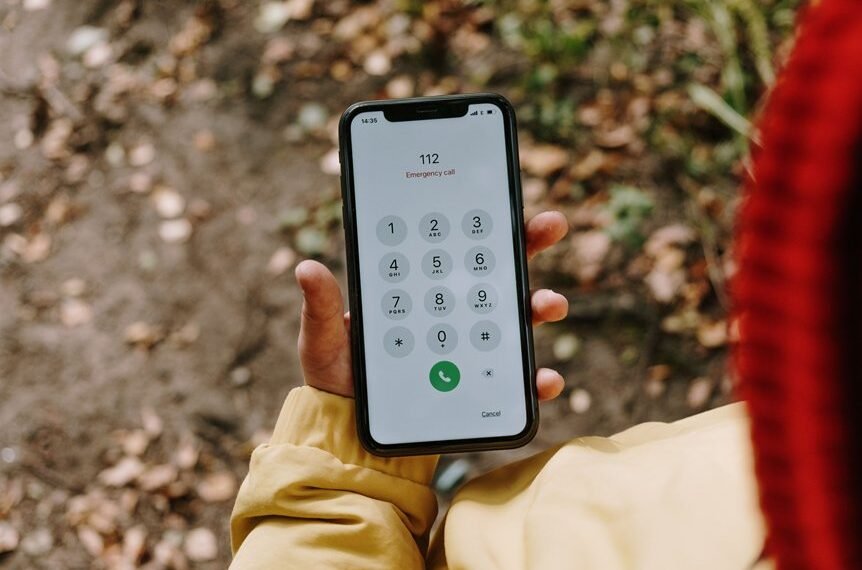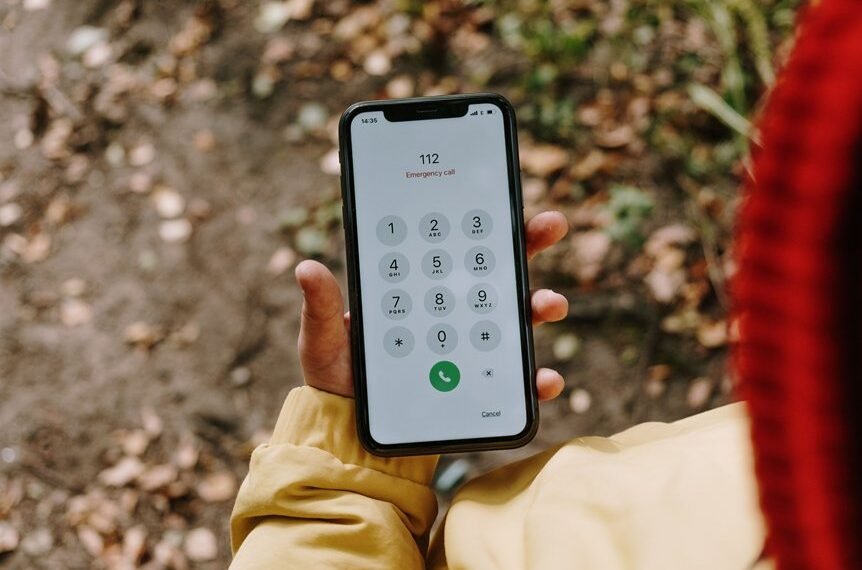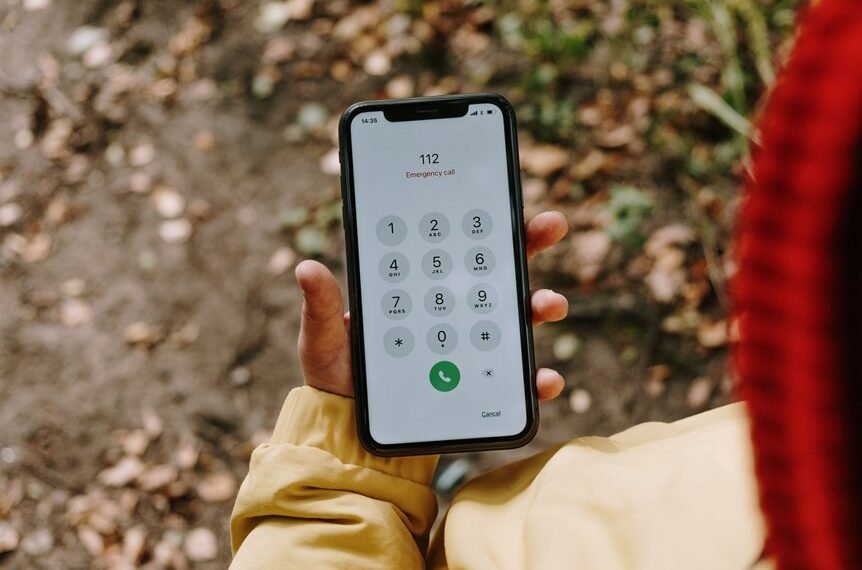

Effective fixes for 307-209-5262 hinge on treating misdialed calls as manageable operational noise rather than intrusions. The discussion centers on quick, targeted remedies—caller ID confirmations, rapid redials, and automated misdial alerts—while preserving secure voicemail access. It also covers authenticated routing, encryption, and routine routing audits to prevent recurrence. A clear escalation framework and meticulous documentation frame the approach, balancing user autonomy with reliability. The next steps challenge whether these controls suffice under varying conditions.
What Is 307-209-5262 and Why Errors Happen
307-209-5262 refers to a specific telephone number that can signal or trigger errors in various systems, often prompting confusion or misrouting. The phenomenon is analyzed as operational noise rather than a malicious fault. In this context, an unrelated topic can intrude, creating filler discussion that obscures root causes. System designers seek isolated, deterministic handling to minimize misdirection and restore clarity.
Quick Fixes for Common Misdials and Voicemail Glitches
Quick Fixes for Common Misdials and Voicemail Glitches can substantially reduce disruption by applying targeted, deterministic responses to routine errors. The approach emphasizes concise interventions: configure caller ID confirmations, enable quick redial prompts, and institute automated misdial alerts. Voicemail integrity is preserved through secure PIN handling and prompt message verification, supporting misdial prevention without unnecessary friction.
Strengthen Connectivity and Security to Prevent Recurrence
Is it possible to reduce recurrence by tightening the underlying connectivity and tightening security controls? Yes. The analysis emphasizes robust network segmentation, authenticated access, and encryption to minimize misdial prevention failures and bolster voicemail reliability. By auditing routing paths, enforcing least privilege, and monitoring anomalies, the system sustains resilience, reduces accidental misdials, and sustains dependable voicemail delivery without overengineering, preserving user autonomy.
Troubleshooting Roadmap: When to Escalate or Contact Support
In addressing when to escalate or contact support, a structured escalation framework guides operators through clearly defined thresholds and timelines.
The roadmap clarifies decision points, enabling timely involvement by appropriate tiers.
Emphasis rests on calibration techniques and meticulous error documentation to reproduce issues, verify fixes, and track progress.
This disciplined approach preserves autonomy while safeguarding reliability and accountability.
Frequently Asked Questions
How Can I Verify a Caller’s Identity After a Misdial?
To verify caller identity after a misdial, one uses concise misdial verification steps: request non-sensitive identifiers, confirm via known contact references, and log the attempt. This approach supports verify caller identity while preserving user autonomy and privacy.
What Apps or Devices Optimize Number Dial Accuracy?
Opening with a simile, the answer notes: apps optimization and devices accuracy shape dialing reliability; these tools reduce misdials, enabling freer communication. The analysis highlights apps optimization and devices accuracy as primary determinants of successful calls and user autonomy.
Which Settings Prevent Accidental Voicemail Access?
Settings sanctions and call routing can limit voicemail access by requiring authentication, pin prompts, and restricted access windows. The system enforces verification before playback, and disables shortcuts, ensuring controlled access while preserving user autonomy and operational efficiency.
How Do I Back up Contact and Voicemail Data?
Back up contacts and voicemail data by exporting encrypted files to a secure cloud or local drive; verify integrity with checksum. The method emphasizes backup contacts and voicemail security, enabling freedom while preserving access, resilience, and recoverability under uncertainty.
What Privacy Steps Reduce Misdial Exposure Risks?
Privacy reminders reduce misdial exposure by enforcing deliberate contact management, minimizing unneeded dialable entries, and archiving obsolete numbers. The approach emphasizes disciplined data handling, user autonomy, and proactive monitoring to limit accidental calls and preserve privacy.
Conclusion
In sum, 307-209-5262 mishaps are cast as noise to be filtered, not intrusions to dread. By isolating misdials with confident, deterministic remedies—secure PIN voicemail, authenticated routing, rapid redials, and clear alerts—the system behaves like a well-tuned instrument, each note purposeful. With disciplined documentation and a crisp escalation path, recurring errors fade into predictable, manageable patterns. The result is a voicemail service that feels responsive, reliable, and quietly trustworthy, as steady as a lighthouse in routine fog.


 By
By