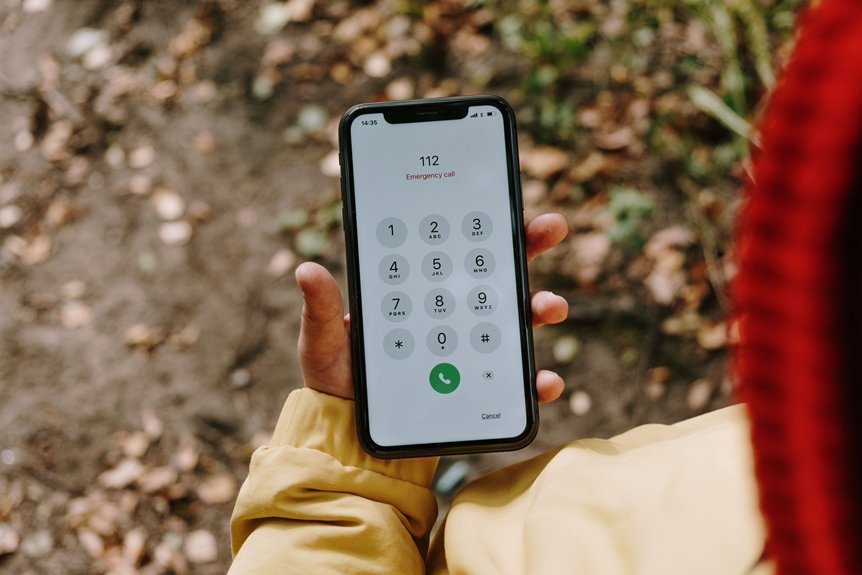

Common troubles linked to 505-388-1583 include unsolicited calls, potential scams, and unclear motives. Verification should be neutral, with questions that do not reveal personal data. Blocking tools and call logs offer practical relief, and privacy settings deserve regular checks. The key is cautious engagement and corroborating follow-up through official channels. If inconsistencies arise, pause dialogue and reassess, keeping an eye on new clues that suggest a safer path forward.
What 505-388-1583 Might Be Trying to Tell You
Many phone numbers can signal a variety of potential issues, and 505-388-1583 is no exception. What 505 388 1583 might be telling you involves potential contact intent, scam indicators, or service notifications.
The reader-friendly interpretation outlines practical steps: verify caller identity, document timing, assess urgency, and consider blocking if risk persists.
Stay informed, and proceed with measured, purposeful actions toward secure communication.
How to Verify Calls Without Sharing Personal Info?
To verify calls without exposing personal information, one should confirm the caller’s identity and purpose using neutral, verifiable steps.
The process emphasizes verify identity, assess caller intent, and verify authenticity without sharing data.
Look for scam indicators, request verifiable details, and use official channels.
If inconsistencies arise, pause the conversation and document concerns for later review.
Practical Steps to Block Nuisance Numbers Safely
Blocking nuisance numbers can reduce interruptions and enhance safety after verifying calls.
The approach prioritizes cautious steps: enable call-blocking features, register blocked numbers, and review logs for unusual activity.
It supports identity protection by limiting exposure to unfamiliar callers.
Users maintain control while maintaining accessibility, avoiding over-blocking; updates ensure continued protection without sacrificing essential communication.
Protecting Your Data and Future Safety Online
Protecting personal data and future safety online is essential in today’s connected environment. The discussion outlines practical, scalable measures that individuals can adopt without sacrificing autonomy. Emphasizing privacy habits and deliberate online safety, the guidance favors minimal, transparent settings, regular audits, and secure authentication. Clear protocols reduce risk while preserving freedom, enabling informed choices about data sharing, device access, and trusted services.
Frequently Asked Questions
What Are Signs a Number Is Spoofed or Faked?
Signs of spoofing include mismatched caller ID, irregular timing, and inconsistent call patterns; red flags in caller IDs frequently appear. The answer remains patient-friendly, technical, and concise, reflecting a desire for freedom in evaluating suspicious communications.
How Can I Report Spam Calls to Authorities?
To report spam calls to authorities, one should use official reporting channels and follow legal steps. The process is concise, technical, and patient-friendly, guiding individuals who value freedom toward submitting documentation, call records, and complaint forms through appropriate reporting channels and legal steps.
Can My Carrier Help Stop Robocalls Automatically?
Yes, carriers offer automatic call-blocking and spam filtering through Call screening tools, while explaining Caller ID myths, Privacy controls, and Spam reporting steps; users should understand Legal risks of answering calls and implement suitable Privacy controls.
What Privacy Settings Reduce Exposure to Unknown Numbers?
Privacy controls reduce exposure by enabling call screening and contact isolation, while noticing spoofing indicators helps distinguish unknown numbers. This approach supports autonomy, offering patient-friendly options for users seeking freedom from unwanted interruptions without revealing sensitive data.
Are There Legal Risks to Answering Uncertain Calls?
Like a cautious heartbeat, answering uncertain calls carries minimal risk if done lawfully. The answer: there are potential legal risks with unclear legality; proceedings vary. Avoid recording without consent, verify caller identity, and consult counsel when uncertain calls arise.
Conclusion
Conclusion (75 words, third-person, detached tone, concise and patient-friendly):
The article emphasizes cautious engagement with calls from 505-388-1583, highlighting uncertainty and the risk of scams. By using neutral verification questions, avoiding disclosure of personal data, and pausing when inconsistencies arise, individuals reduce exposure. Implementing built-in blocking features, registering numbers, and monitoring call logs further mitigates nuisance calls. In sum, a shielded, methodical approach acts as a steady lighthouse guiding users away from danger while preserving privacy.


 By
By